Lichen vs Moss on Roof Tiles: What Logan Owners Must Know
Logan's subtropical climate offers warm summers, elevated humidity, and episodic heavy rainfall. While these conditions make our local gardens thrive, they also create an ideal incubator for biological roof growth. For homeowners across Logan, terracotta and concrete roof tiles regularly fall victim to two primary invaders: lichen and moss. Although they often appear side by side, understanding their biological differences, structural risks, and removal techniques is critical for maintaining robust building envelope protection and avoiding premature roof tile replacement.
Understanding the Difference: Moss vs. Lichen
While both organisms thrive in damp, shaded environments, their structure and attachment mechanisms are fundamentally distinct.

Roof Moss is a non-vascular plant. It lacks true roots, relying instead on delicate filaments called rhizoids to anchor itself to https://hectorngnj834.wordcanopy.com/posts/roof-access-challenges-planning-a-safe-clean-in-logan rough tile surfaces. Moss behaves like a dense sponge, absorbing large volumes of rainwater and expanding across roof valleys, edges, and overlaps. In Logan, moss typically establishes itself on south-facing roof slopes that receive minimal direct sunlight, especially beneath the canopy of mature gum trees.
Roof Lichen, on the other hand, is a composite organism formed by a symbiotic relationship between a fungus and an alga or cyanobacterium. Unlike moss, which can often be scraped away when moist, lichen produces mild acids that chemically etch into concrete and terracotta tiles. It forms flat, crusty, circular patches firmly bonded to the tile substrate. Lichen is exceptionally resilient; even during dry spells, it can enter a dormant state, springing back to life after the next shower.
The Damage: How Biological Growth Threatens Roof Integrity
Neglecting moss and lichen compromises vital exterior moisture control and damages the structural longevity of your roof in several distinct ways:
- Moisture Trapping and Capillary Action: Moss acts as a reservoir, keeping tiles continuously wet. This prolonged exposure leads to micro-cracking in concrete tiles and promotes water intrusion beneath the tiles via capillary action during heavy storms.
- Surface Pitting and Glaze Breakdown: Lichen’s biological acids actively break down the protective glaze and sand-cement matrix of roof tiles, leaving porous pockets that accelerate erosion.
- Drainage Blockages: Heavy rains wash loose clumps of moss down roof valleys into gutters. Without prompt gutter cleaning and reliable gutter protection, this debris blocks downpipes, compromising your home's foundation water diversion.
- Weight and Shifting: Waterlogged moss adds unnecessary structural weight and can lift tile laps slightly, breaking the protective water barrier against driven rain.
Why Pressure Washing Is Often the Wrong Solution
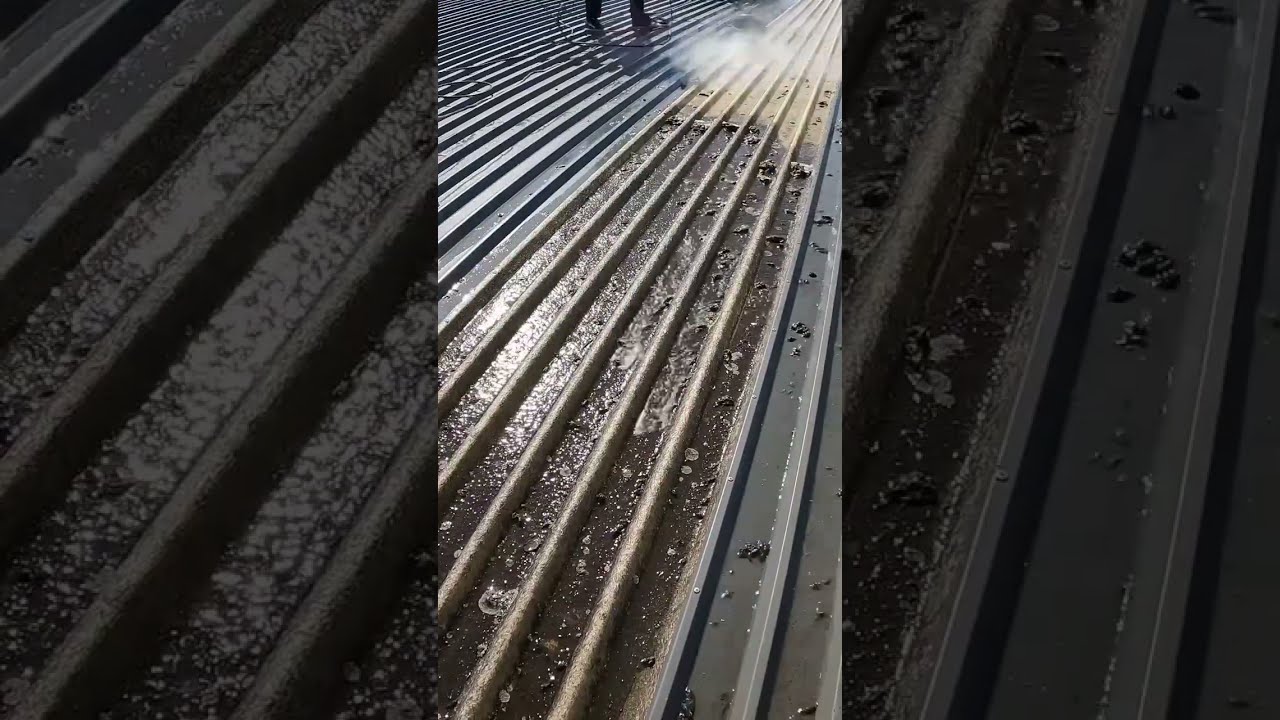
A common mistake among Logan property owners is attempting to blast lichen and moss away using high-pressure water wands. While high-pressure blasting offers instant visual gratification, it causes significant hidden damage. The sheer force strips the top slurry coat from concrete roof tiles, leaving them coarse and more susceptible to re-infestation than before. Furthermore, pressure blasting frequently forces water upward underneath the tile overlaps, soaking timber battens and sarking insulation.
Modern roofing standards in 2026 emphasise gentle, long-lasting surface care. Utilizing eco-friendly roof cleaning treatments and specialized soft-wash protocols ensures that organisms are eliminated down to their cellular root structures without stripping protective factory sealants or voiding manufacturer warranties. Whether conducting maintenance on concrete tiles, terracotta shingles, or scheduling commercial Colorbond roof cleaning, non-abrasive chemical eradication is the safest path forward.
Effective Treatment and Prevention for Logan Properties
Protecting your property requires a comprehensive strategy that pairs targeted chemical elimination with preventative drainage practices. Maintaining balanced home exterior protection involves addressing the environmental factors that encourage growth:
- Apply Targeted Biocides: A certified roof cleaning specialist applies an anti-fungal, biodegradable wash that penetrates lichen crusts and desiccates moss colonies naturally over several weeks.
- Trim Surrounding Trees: Prune dense tree canopies hanging over roof lines to maximize sunlight exposure and reduce leaf litter accumulation.
- Inspect and Clear Gutter Systems: Prioritize systematic gutter maintenance to prevent standing water near the eaves, which feeds local humidity and fuels organism growth.
- Incorporate Regular Inspections: Schedule periodic assessments to treat spot growth before colonies establish deep roots across your roof surface.
Ensuring Long-Term Roof Performance
Dealing with moss and lichen is not merely a cosmetic choice; it is an essential maintenance protocol that preserves the value and integrity of your home. Incorporating advanced roof cleaning and proper water management methods ensures your roof stands strong against Queensland's harsh weather cycles. Logan homeowners who invest in timely, expert roof cleaning and dependable exterior roof washing safeguard their properties against costly leaks, maintaining pristine curb appeal and durable protection for decades to come.
Logan Roof Cleaning Pros
Unit 8 13/15 Ellerslie Rd, Meadowbrook QLD 4131, Australia
(07) 4803 1388